Building a Shared Bond Via HMDD’s “Happy Memories Don’t Die” Message: How It Works
Far from beginning as a run-of-the-mill tagline mill, the brand was born out of a short expression — happy memories don’t die — which gradually grew into the driving force behind a apparel brand built on emotional permanence over seasonal trends. Within a market where most brands pursue the next drop cycle, the brand decided to anchor itself to a single idea: that the happy chapters in a person’s life deserve to be worn, not just kept in memory. Such a commitment has shaped everything from product design all the way to how the brand engages its customers online.
What sets this strategy apart in 2026 is how consistently HMDD has held onto it. Apparel brands often water down a core idea once growth pressure sets in, trading meaning for volume. HMDD clothing, by contrast, has committed even more, using the phrase across sweatpants, shorts, and outerwear as a consistent theme rather than a single-use gimmick. Such repeated use is precisely what turns a catchphrase into a community identifier — something wearers recognize in each other before a single word is exchanged.
“Happy Memories Don’t Die”: How the Phrase Began
Almost like a small promise, the line works. Memories fade, photos get lost, but a comfortable pair of sweatpants worn during a particular summer, or a hoodie kept from a college trip, carries a tangible memory in a way a phone photo can’t match. The brand constructed its complete brand identity around this notion, and it is evident in product naming, packaging language, and social captions that consistently return to the same emotional register.
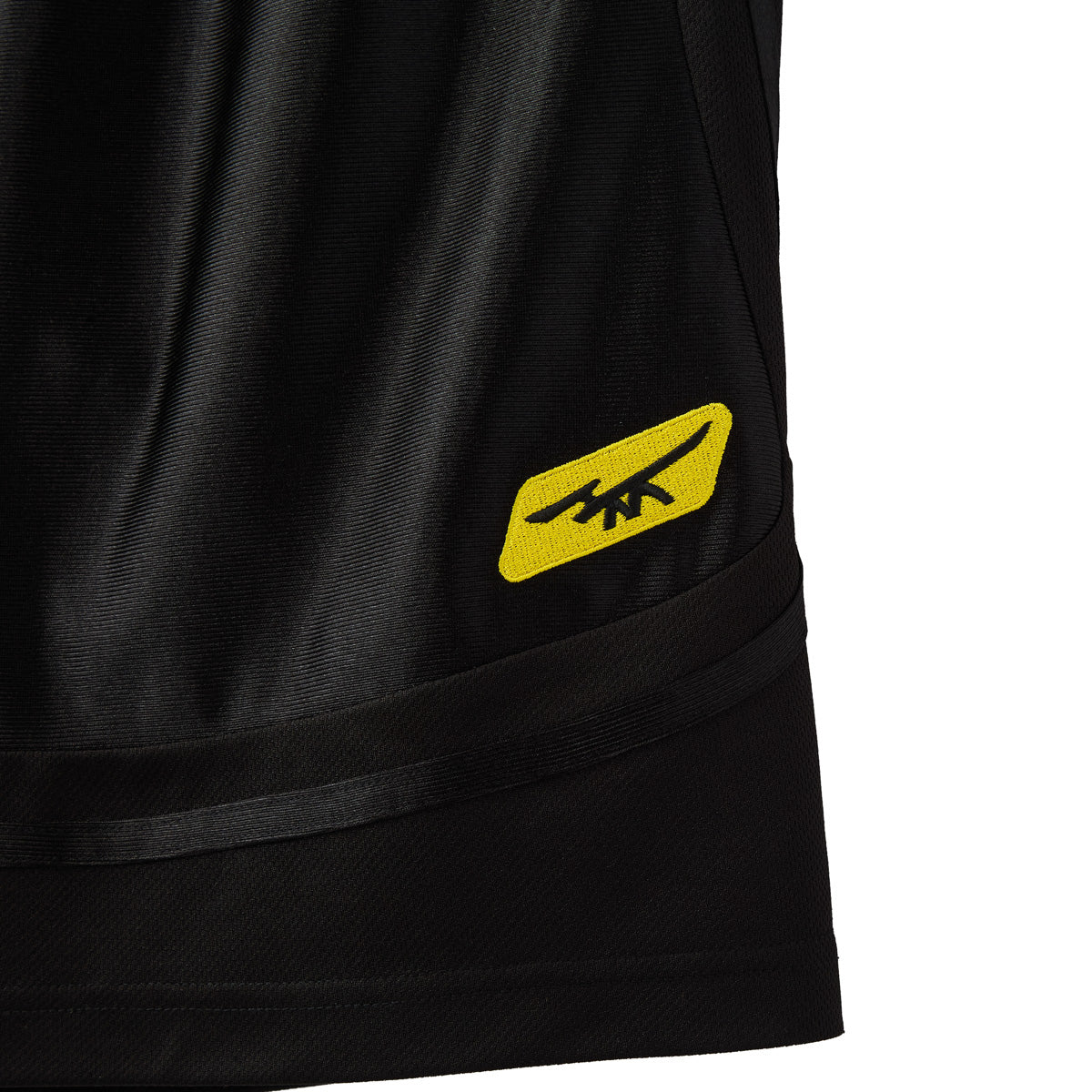
This isn’t some branding coincidence. Grief, nostalgia, and joy are three of the top-searched emotional themes in apparel marketing research over the last five years, and HMDD positioned itself directly at that intersection. People looking up “happy memories dont die” or “happy memories don’t die” online are not just searching for a product — they are seeking language that matches something they already feel. HMDD meets that search motivation honestly, which is part of why the brand has generated organic hmdd cargo shorts loyalty rather than relying purely on paid reach.
What emerges is a sort of feedback loop. Customers post their own memories tagged with HMDD gear, other people see those posts, and the phrase circulates through firsthand experience rather than ads by themselves. Such a dynamic is harder to fabricate than a memorable slogan, and it is the actual engine behind HMDD’s expanding fanbase.
HMDDLA: Bridging Local Roots to a Worldwide Presence
The HMDDLA identity roots the label in a defined place all while allowing the brand’s message to travel globally. Los Angeles has served for years as a testing ground for streetwear brands, and HMDDLA embraces that connection without sacrificing the brand’s emotional center. At once, it conveys both origin and authenticity — something that speaks to shoppers who want to know a brand has real roots, and not simply a warehouse paired with a website.
The way local meets global here also shows up in the way HMDD shows up online. Rather than relying solely on aspirational-style imagery, HMDD’s content often centers real customers, real settings, and real captions about specific memories. This way of doing things shrinks the gap between brand and buyer. A shopper does not need to live in Los Angeles to feel connected to HMDDLA; they need to recognize the emotional throughline the location represents.
Community-driven fashion brands that survive past their first few years tend to share this trait: they let customers co-author the meaning of the brand. HMDD’s use of HMDDLA as a geographic and emotional anchor gives fans a specific place to project their own stories onto, which strengthens retention far more than discount codes ever could.
Everyday Pieces as Medium: Joggers, Casual Bottoms, and Day-to-Day Attire
A brand narrative only proves effective if the product delivers on it. HMDD sweatpants and HMDD shorts are framed as go-to basics rather than rare showpieces, and this daily presence carries weight. The more often a piece gets worn, the more memories it quietly gathers — a slow Sunday afternoon, a road trip, a late night among friends. Rather than dropping items after a single season, HMDD’s strategy keeps its core pieces consistently in rotation, leaning into this effect.
This is also the point at which “best hmdd clothing” lookups typically guide customers: those comparing comfort, fit, and durability before settling on which garment turns into part of their go-to wardrobe. In particular, sweatpants and shorts see far more wear than outerwear or occasion-specific pieces, making them the perfect vessel for a message about long-held memories. The more wears, the more moments, the more the phrase on the label starts to feel true rather than decorative.
New-customer friction gets reduced given that the brand shaped its catalog around these staples instead of intricate capsule drops.
A rare, limited jacket they might wear three times a year is less likely to be the thing a reader evaluating a review of HMDD is thinking about, compared to a pair of shorts or sweatpants usable three times a week.
This approachability is woven into the community strategy, not disconnected from it.
The HMDD Reviews Expose Community Trust — Here’s What It Means
Reviews function as the arena where the promises a brand makes get tested against reality. During a specific period of the customer’s life, how the piece felt to wear is commonly brought up in a typical HMDD review, which rarely stays limited to stitching or fabric weight. That’s an unusual trend. Typical fashion reviews zero in strictly on cut and fabric; reviews of HMDD frequently blend practical feedback and personal reflection, an unmistakable indication the brand’s narrative has struck a chord outside the bounds of ad copy.
This is significant for new shoppers working out how to choose between HMDD and similar streetwear-adjacent names. If customers leaving feedback routinely tie emotional context with practical detail, it suggests that the “happy memories don’t die” concept isn’t just printed on a hangtag — it is genuinely shaping how people talk about the product after purchase. That kind of organic reinforcement is difficult for competitors to replicate quickly, since it depends on a message kept consistent across time, not just one marketing push.
Community trust compounds. Each honest review adds a small amount of credibility that the next potential customer can lean on, and HMDD’s willingness to permit those individual accounts surface for all to see — instead of handpicking only glossy lifestyle shots — has kept its review community feeling authentic heading into 2026.
Examining HMDD’s own Strategy to Run-of-the-mill Street-style Brand-Building
| Element | Ordinary Streetwear Brand | HMDD |
|---|---|---|
| Brand’s core message | Trend-or hype-led | Rooted in permanent feeling (“happy memories don’t die”) |
| Where the line-up centers on | Releases that stay limited with constant churn | Dependable essentials such as sweatpants and shorts that stay in steady rotation |
| Customer content | Staged lifestyle visuals | Authentic testimonials from customers, connected to specific memories |
| Grounding in place | Rarely anchored to a specific place, vague at best | Grounded in HMDDLA, linking Los Angeles origin to worldwide reach |
| Feedback culture | Primarily concerned with sizing and how fast orders ship | Brings together down-to-earth reviews with heartfelt narrative |
Fit, delivery speed, and fundamental quality remain essential to any fashion brand’s staying power, and this breakdown isn’t claiming HMDD ignores that. Instead, it illustrates where HMDD directs its brand energy along a different path—layering emotional resonance above the practical experience most shoppers already expect.
Creating Community, Not Just Transactions : While Building Genuine Community Instead
A brand phrase transforms into a collective rallying point when it grants customers a reason to connect with one another, not just to the brand. The brand’s slogan works because it invites each person’s own reading. For one shopper, “happy memory” might mean a wedding weekend; for another, it might mean bouncing back after a hard year. Because the phrase stays broad enough to hold both meanings without feeling generic, that flexibility converts individual purchases into a unified identity.
Seeing others vouch for a brand also matters. When shoppers see others posting about HMDD clothing in the context of real milestones, it reduces the perceived risk of trying the brand initially. It’s especially the case among shoppers stacking HMDD up against competing brands while trying to find the best HMDD clothing to start with — joggers and shorts tend to be where most newcomers begin given their price accessibility and daily wearability.
Heading further into 2026, the brands that retain customer attention will likely be the ones handing shoppers something meaningful to believe in, not just merchandise to acquire. HMDD’s wager on a single sentiment-driven line, reinforced consistently across HMDDLA identity, product design, and customer reviews, has established it as more than a mere clothing company. It now stands as a small, wearable reminder that the good moments people live through are deserving of being kept — and worth wearing again.